



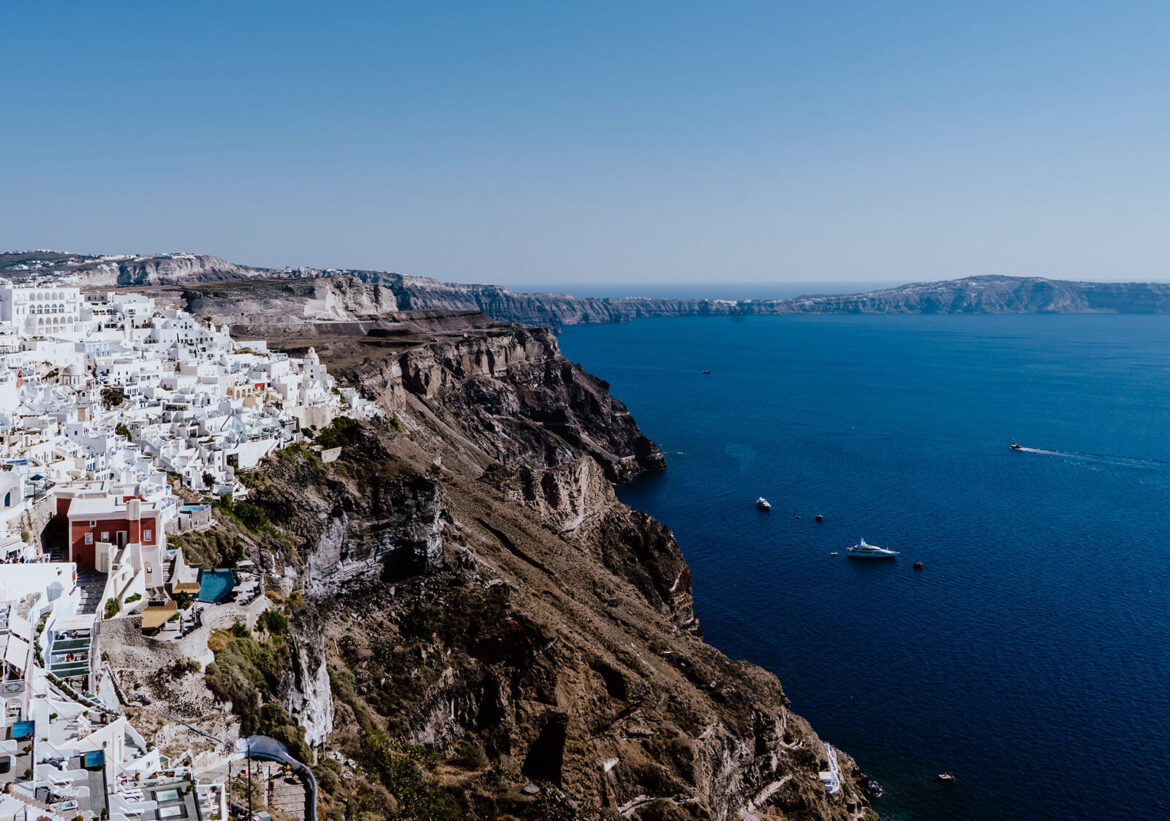
Volos unfolds between Mount Pelion and the Pagasetic Gulf like a city that constantly balances between sea and mountain, between movement and stillness, between everyday life and something more poetic that is felt rather than clearly defined.
It is not a place that imposes itself immediately; instead, it reveals itself gradually, through the sound of waves along the harbor, through the scent of grilled food drifting from traditional tsipouradika, through long walks along the waterfront where people and time seem to share the same rhythm. The light is always changing here, reflecting differently on water, buildings, and streets, creating the sense that nothing is ever completely fixed, yet everything feels familiar.
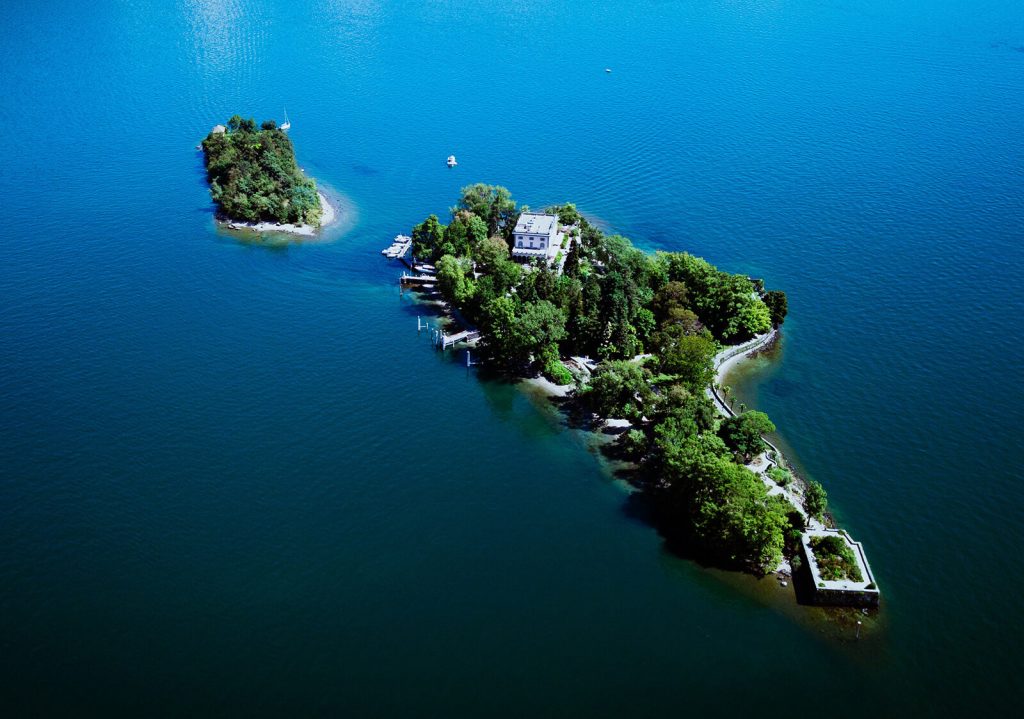
Volos view
The city carries a unique energy, a kind of urban vitality that never becomes overwhelming because it is constantly softened by the presence of the sea and the mountain rising behind it. Volos does not feel divided into strict zones; instead, it behaves like a continuous landscape where the center, the coast, and the neighborhoods flow into one another without effort. The experience of moving through it feels natural, almost unplanned, as if the city itself encourages wandering rather than direction.
Daily life in Volos is shaped by a rhythm that blends simplicity with liveliness. People move with ease through the streets, not rushing but not pausing either, as if they have found an unspoken agreement with their surroundings. Cafés spill onto sidewalks, bicycles pass along the promenade, and conversations blend into the ambient sound of the city. Even as a visitor, it is easy to slip into this rhythm and feel momentarily part of it, as though the city does not separate residents from travelers but gently includes both in the same flow.
As evening approaches, Volos transforms without losing its identity. The light softens, reflections stretch across the water, and the sound of the streets becomes calmer, more intimate. The coastline turns into a long band of glowing points, and the mountain behind it fades into shadow, creating a layered landscape of light and silence. Night in Volos is not a departure from the day but a continuation in a quieter tone, where everything feels slightly slower, slightly more reflective.
What defines Volos is not a single landmark or dramatic feature, but its atmosphere—the feeling of coexistence between elements that could easily remain separate elsewhere. Sea and mountain, city and nature, movement and pause all exist side by side without conflict. There is a sense of openness in the way the city is experienced, as if it is always offering space for observation and presence.
In the end, Volos stays with you not as a collection of images but as a feeling: of walking by the water at dusk, of hearing distant voices in a tsipouradiko, of seeing the mountain watching over the sea. It does not insist on being remembered, yet it returns quietly in memory, like light reflecting on water long after the moment has passed.